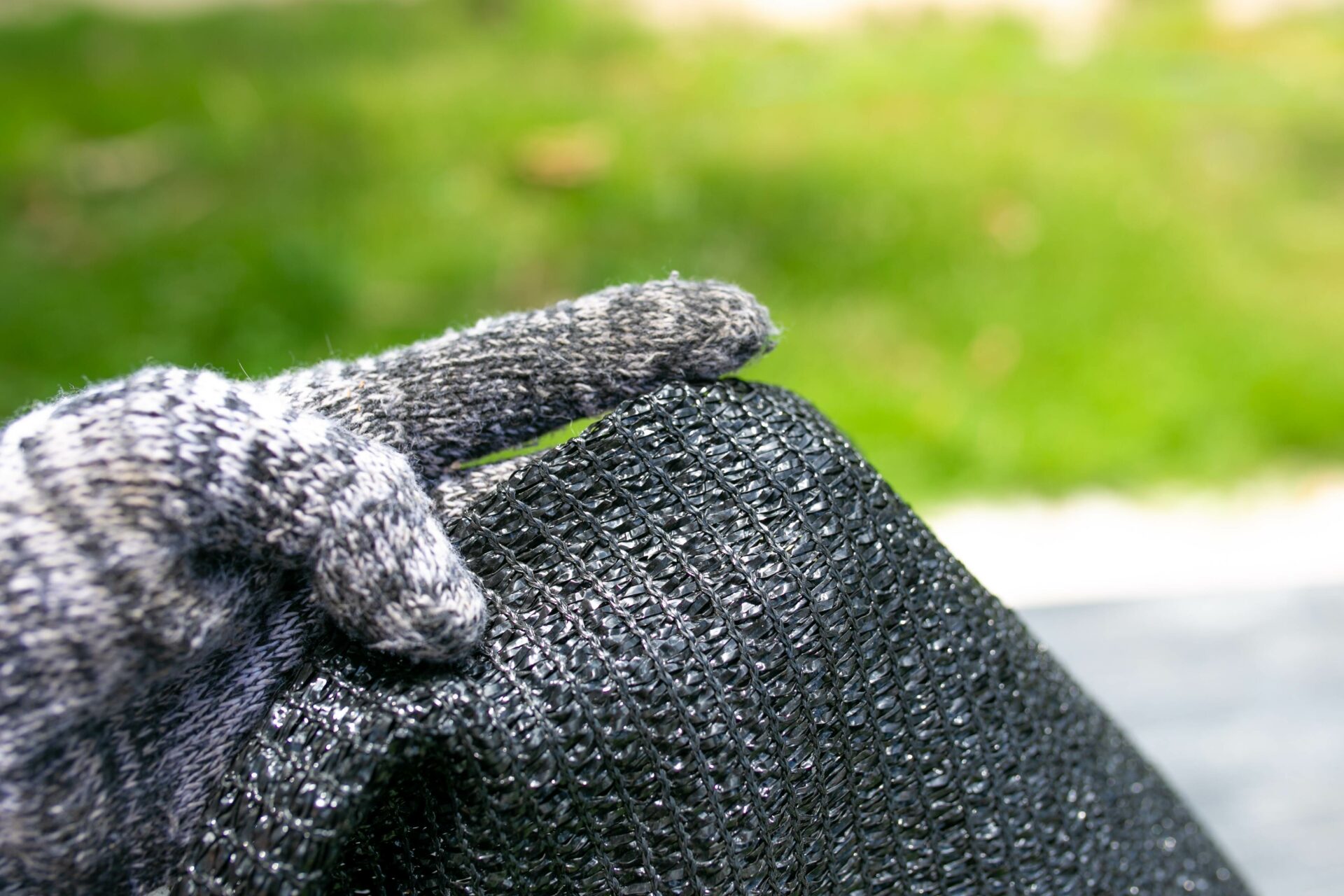
Mosquito screen net — also known as blue net, insect screen net, insect net, or PE screen net — is made from high-density polyethylene (HDPE) monofilament. It is lightweight yet strong, tear-resistant, transparent, and breathable, while withstanding sunlight, humidity, and outdoor weather for long periods.
Thanks to these properties, screen net is used across many industries — from agriculture, animal farming, and aquaculture to household and DIY applications. It’s practical, cost-effective, and easy to install, making it ideal for both industrial and domestic use.
Fiber Quality Standards
The strength and thickness of fibers are measured in denier (D) — the international standard for fiber weight.
1 denier = 1 gram per 9,000 meters of fiber.
Proper denier control ensures the net is durable yet lightweight for easy handling.
For general use, HDPE monofilament with tensile strength between 2.6–4.2 g/denier is considered ideal for agricultural covers or fish cages.
At Siamnet Industry Co., Ltd., we produce mosquito net fabric in two grades:
-
Standard Grade – Designed for general applications; durable and economical.
-
Premium Grade – Reinforced for higher tensile strength and UV resistance, ideal for heavy-duty outdoor use.
All nets are made from high-quality raw materials and undergo strict inspection to ensure strength, flexibility, and long-lasting performance.
Mesh Density (Mesh Count)
Mesh density refers to the number of holes per inch.
-
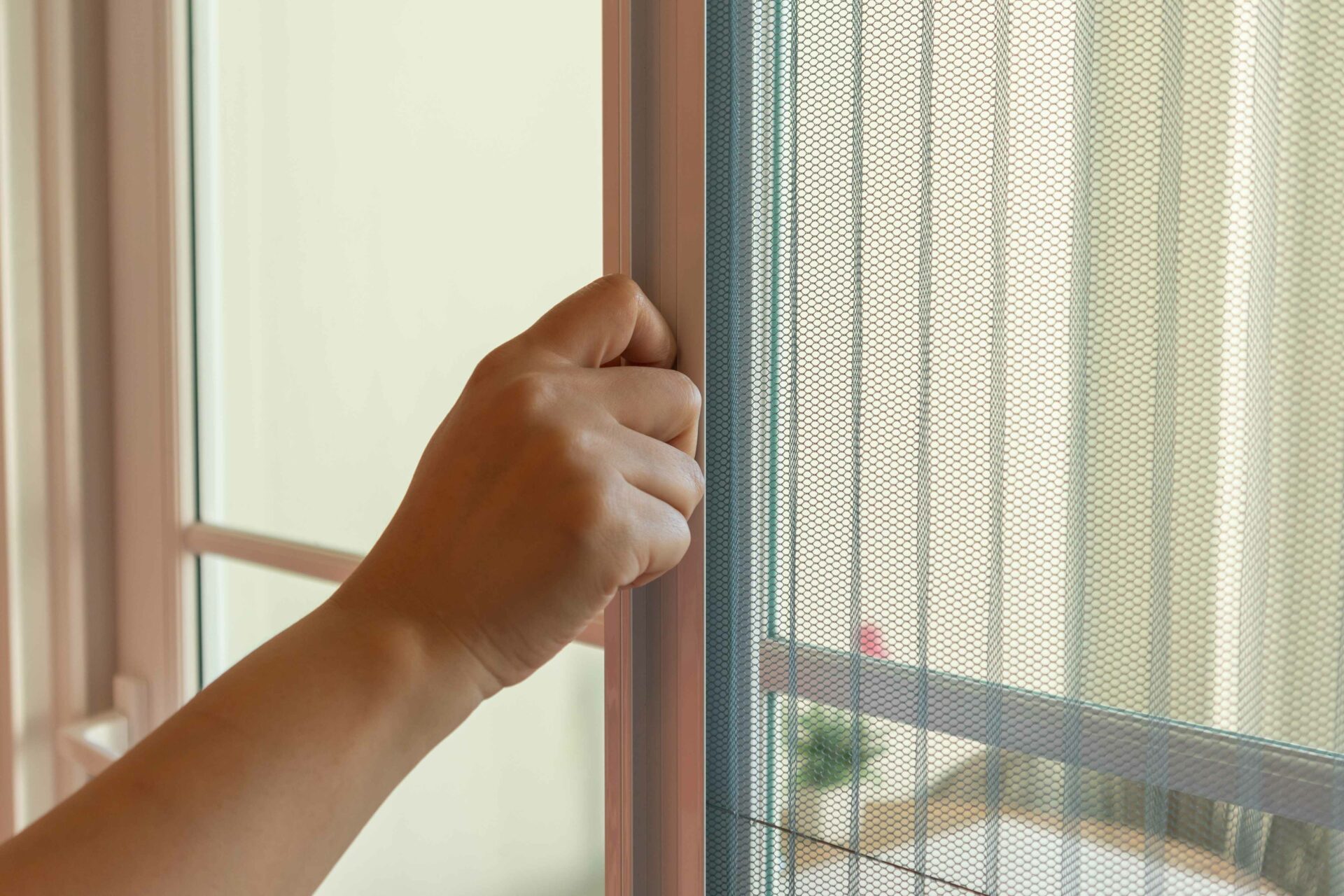
High mesh count: smaller holes — ideal for blocking small insects such as mosquitoes and thrips.
-
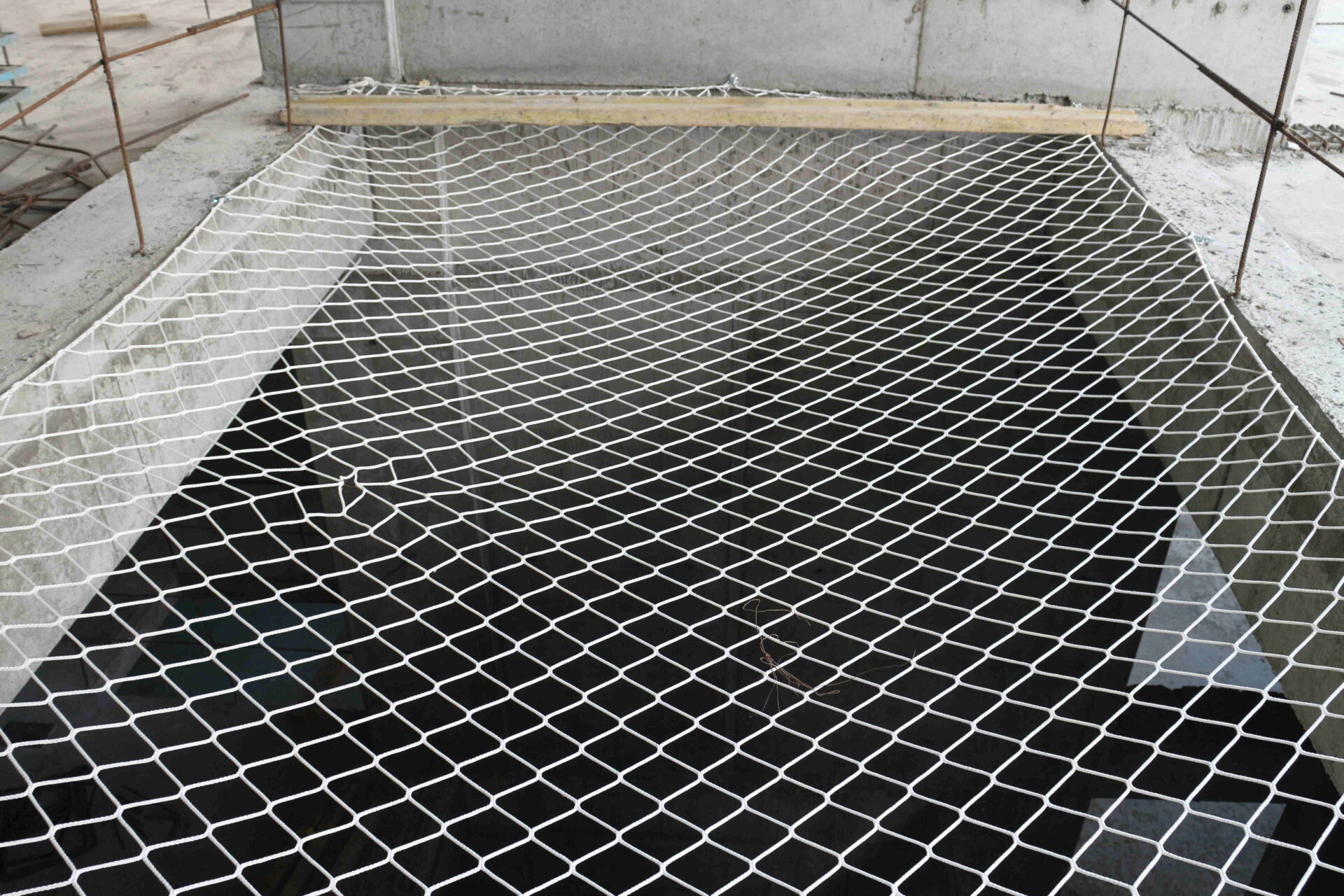
Low mesh count: larger holes — suitable for applications requiring air or water flow, such as fish cages or truck covers.
Selecting the right mesh count is key to achieving both durability and effectiveness.
Additives and Color Stabilization
To enhance performance, we incorporate masterbatch colorants and specialized additives that protect and extend the net’s lifespan.
-
Masterbatch Pigments: Provide uniform color distribution, UV resistance, and prevent fading or peeling.
-
UV Stabilizers: Shield fibers from ultraviolet degradation and extend outdoor durability.
-
Antioxidants: Prevent polymer oxidation, preserving flexibility and strength over time.
-
Antistatic Agents: Reduce static buildup and dust adhesion, keeping the fabric cleaner and easier to maintain.
Together, these elements ensure long-lasting quality, color stability, and resistance to environmental stress.
Product Options
| Grade |
Recommended Use |
Approx. Lifespan |
| Standard |
General or temporary use |
2–3 years |
| Premium |
Continuous outdoor use |
5–8 years |
Note: Actual lifespan depends on environment, installation, and maintenance.
Installation Tips
-
Avoid pulling the fabric too tightly — this can distort the weave.
-
Use rails, clips, or fasteners instead of nails or wires.
-
Regularly inspect contact points with sharp or metallic edges.
Reference
-
What Determines the Lifespan of Shade Netting. Retrieved on September 17, 2025, from What Determines the Lifespan of Shade Netting – OMB Textiles
-
What Factors Affect the Lifespan of Shade Nets?. Retrieved on September 17, 2025, from What Factors Affect the Lifespan of Shade Nets? | Agrishde