
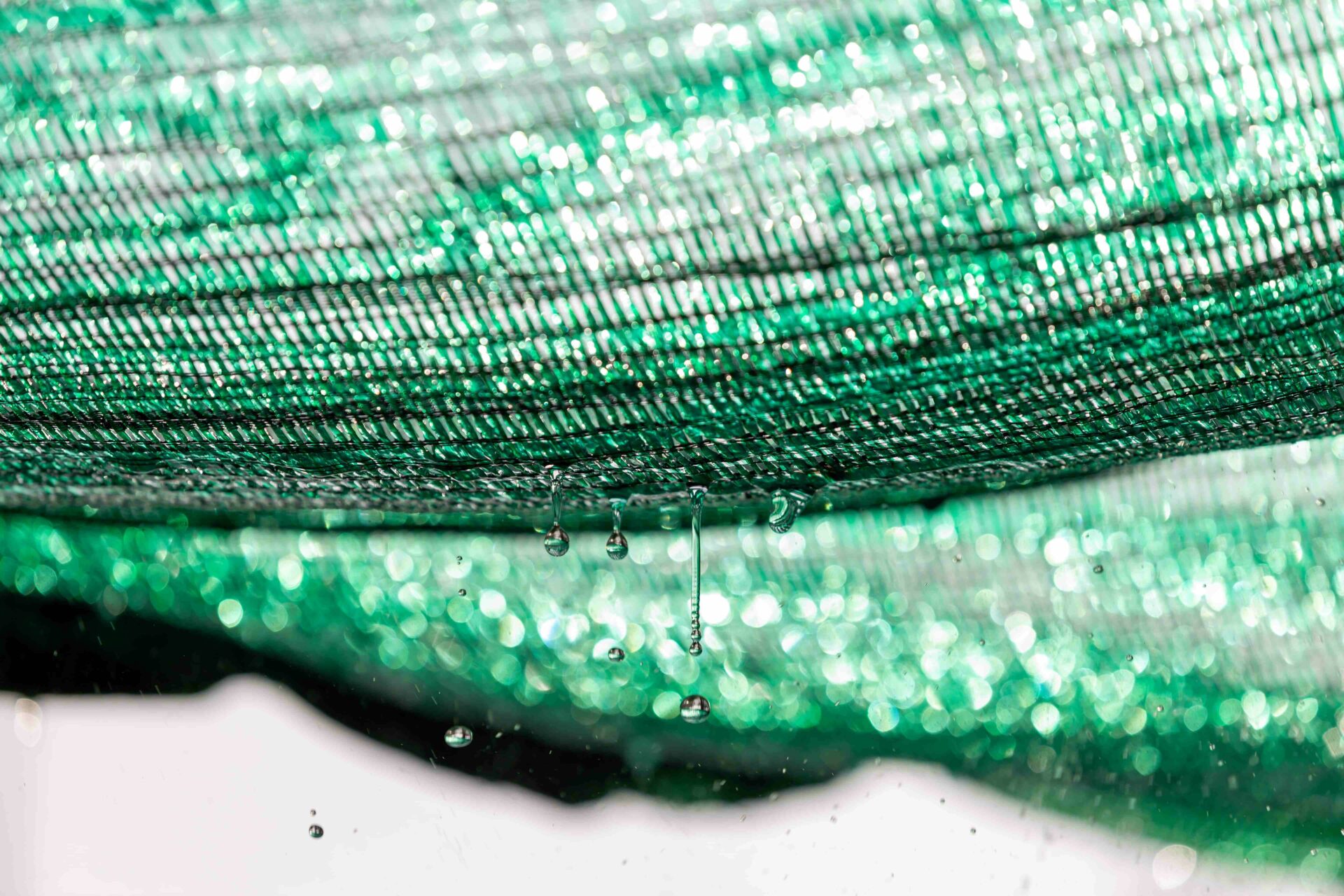
When people think of high-quality shading nets, the first image that comes to mind is their use in agriculture—filtering sunlight to protect crops—or in construction sites to control dust and debris.
However, shading nets can do much more. When adapted into a Fog Collector, they become a remarkable innovation for regions facing water scarcity or frequent morning fog.
A fog-harvesting system works on simple physical principles but can convert airborne moisture into clean, usable water — suitable for agriculture, cleaning, or even as an emergency water supply during dry seasons. It’s a smart and sustainable way to make use of nature’s existing resources.
How the Green Shading Net Fog Collector Works
Most fog collectors use Shading Nets, installed vertically in two layers to increase fog capture efficiency.
The process can be explained in five simple steps:
-
Fog-laden wind passes through the net
As wind carries fog through the net, the tightly knit fibers act like a fine mesh, intercepting tiny water droplets. -
Droplets adhere to fibers (Impaction & Surface Tension)
Water particles stick to the fiber surface due to impact and surface tension forces, preventing them from passing through. -
Droplets merge and grow
Thousands of small droplets combine into larger, heavier drops. -
Water flows downward by gravity
Once the droplets become heavy enough, they detach and flow down the fabric’s structure toward a collection trough. -
Collection and use
The water is then stored in containers or tanks and can be used for watering plants, livestock, or general household purposes.
Why Use Double-Layer Shading Nets?
Studies show that while a single layer can collect fog, a double-layer shading net increases water yield by 15–30%. The first layer traps part of the mist, while the second captures escaping droplets and accelerates their coalescence into larger drops.
Knitted style of shading nets also outperform woven style thanks to their flexibility, tear resistance, and surface texture — ideal for droplet formation and water flow.
Key Factors Affecting Fog-Harvesting Efficiency
-
Shade Factor (Opacity):
A 50–60% shade factor is ideal, balancing density for water retention with sufficient airflow for fog penetration. -
Knitting Pattern & Surface Design:
Innovative patterns like Diagonal Weaves or Kirigami Cuts increase surface area and droplet directionality, boosting overall water capture. -
Installation Angle & Orientation:
Installing the net vertically and facing the wind direction improves efficiency, while height and tilt angle affect drainage and collection rates.
Benefits of Fog Collection Systems Using Shading Nets
-
Addresses Water Shortages
Ideal for remote or mountainous areas lacking natural water sources — provides water without drilling or relying on rainfall. -
Eco-Friendly Solution
No electricity required, zero waste generation, and minimal environmental impact. -
Low Cost & Easy Maintenance
Shade nets are widely available, affordable, and simple to repair or expand. -
Versatile Water Use
Collected water can be used for irrigation, gardening, livestock, or as an emergency supply.
Conclusion
Shading nets are more than just materials for shading — they can be transformed into a sustainable fog-harvesting system that is efficient, affordable, and environmentally friendly. By choosing nets with the right shade factor (50–60%) and installing them in double layers, users can significantly increase water collection efficiency.
This innovation not only offers a practical solution for water-scarce regions but also highlights the versatility and sustainability of everyday materials like shade nets — turning simple technology into a long-term benefit for communities and the environment.
Reference
- “Evaluating Mesh Geometry and Shade Coefficient for Fog Harvesting Collectors.” Retrieved on September 23, 2025, from Evaluating Mesh Geometry and Shade Coefficient for Fog Harvesting Collectors | Water Resources Management
- “Kirigami fog nets: how strips improve water collection.” Retrieved on September 23, 2025, from Kirigami fog nets: how strips improve water collection | npj Clean Water